

Thanksgiving Hosting Prep: A Kitchen, Table and Serving Checklist
Thanksgiving preparation becomes easier when you separate the meal from the room around it. Recipes need a schedule, but guests also need somewhere to put a drink, enough room to pull out a chair and a serving arrangement that does not compete with cooking. Start with those ordinary details before buying more decorations or planning another side dish.
For U.S. households planning ahead, Thanksgiving Day in 2026 falls on Thursday, November 26, as listed in the U.S. Office of Personnel Management's holiday calendar. Use the weeks before it to test your setup, not just to collect supplies.
Make a plan around the meal you intend to serve
Write down the dishes you want to make, the equipment each one needs and whether it will be served hot or cold. Then check how many tasks depend on the oven, stovetop and refrigerator at the same time. If three dishes need the same oven space just before dinner, simplify the menu or change the timing.
Check your cookware's instructions rather than guessing about oven compatibility or maximum temperature from appearance. Set out the serving dish and utensil for each menu item. A quick label beside an empty dish helps you notice a missing spoon before the food is ready.
Protect one work surface
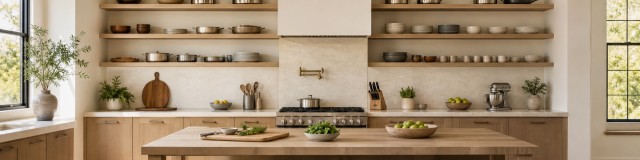
Choose a section of counter for final preparation and keep it free of drinks, gifts and decorations. Place frequently used tools nearby. Store spare napkins, glasses and room-temperature serving supplies on a separate shelf or rack where they can be reached without crossing the cook's work area.
If you use a freestanding rack, check its dimensions, weight limits and placement instructions. Do not assume its shelf is suitable for hot cookware. Put hot items only on surfaces and protective accessories intended for that purpose.
Test the table with the chairs pulled out
Arrange the seats you plan to use and ask someone to sit while another person walks past. Check the actual path to the kitchen and exit. A table that fits when nobody is seated may leave too little movement space during a meal.
Keep the centerpiece low and compact enough that guests can talk across it. Place serving dishes where they are easy to reach, or move them to a separate buffet if the table becomes crowded. Avoid making guests balance a plate while moving a large decoration out of the way.
Separate drinks from the cooking route
A small drinks station can reduce repeated trips through the kitchen. Put glasses, water and napkins together and reserve somewhere for used glasses. This can be as simple as an existing counter, not necessarily another piece of furniture.
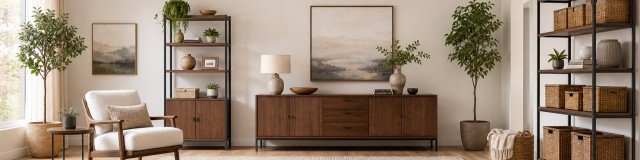
An open rack with a glass holder can organize supplies, but check glass fit and loading instructions before using it. Arrange bottles and utensils so they are stable and do not project into a walking route. Decorations should leave the practical surface usable.
Include food holding and leftovers in the schedule
Allow refrigerator space for prepared dishes and later leftovers. Organize clean containers before dinner so clearing the table does not turn into a search through cupboards.
The FDA's serving guidance advises keeping cold food at 40°F or below and hot food at 140°F or above. Perishable foods left at room temperature for longer than two hours should be discarded unless properly held hot or cold; the FDA specifies a one-hour limit when temperatures exceed 90°F. A serving tray, ordinary bowl or open storage rack does not maintain those temperatures on its own.
Keep an outdoor option flexible
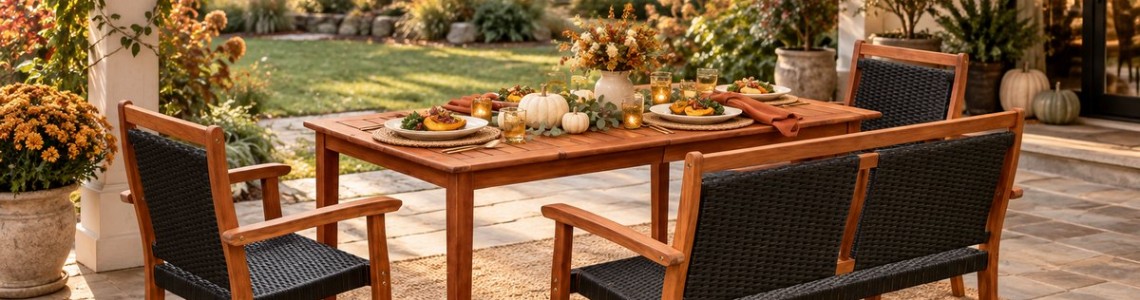
If your local weather allows a covered-patio gathering, check the forecast, furniture condition and lighting before committing to it. Have an indoor alternative ready. Avoid assuming an outdoor meal is comfortable simply because the furniture is designed for a patio; wind, rain and falling evening temperatures still matter.
The final practice run
- Match a serving dish and utensil to every menu item.
- Keep one preparation surface and the refrigerator route clear.
- Try the seating arrangement with guests sitting down.
- Give drinks and used dishes their own landing zones.
- Prepare containers and refrigerator space for leftovers.
For an outdoor hosting option, compare the four-piece patio dining set where climate and space are suitable. Choose for the way you will use the space throughout the year, not only for one dinner.
AI-generated styling illustration. Decorative props are not included; check product pages for specifications.
Comments are reviewed before publication. Please keep your comment relevant and do not include advertising or private order information.
Leave a Comment