



Read beyond the headline material
Solid wood, engineered panels and veneers behave differently even when a listing uses a broad wood description. For metal pieces, identify the base material and coating. For upholstery, look for the actual fabric composition and any care limits rather than relying on a general claim such as easy-care.
Match the finish to the room
Moisture, strong sun, cooking residue and frequent cleaning place different demands on a finish. A suitable dining surface may need regular wiping, while an outdoor frame also needs drainage, weather exposure and seasonal storage considered.
Inspect the working parts
Hinges, fasteners, wheels, slides and adjustable joints experience more repeated stress than decorative surfaces. Product images and assembly guidance should show how these parts connect and whether routine tightening or cleaning is expected.
Plan care before purchase
Choose a piece only after identifying where it will be stored, how spills will be handled and whether replacement cushions or covers are practical. Simple care performed consistently is more useful than an ambitious maintenance routine that will not fit daily life.
A practical checklist
- Confirm the base material and finish
- Review exposure to heat, moisture and sun
- Inspect moving and load-bearing parts
- Keep the care instructions for reference
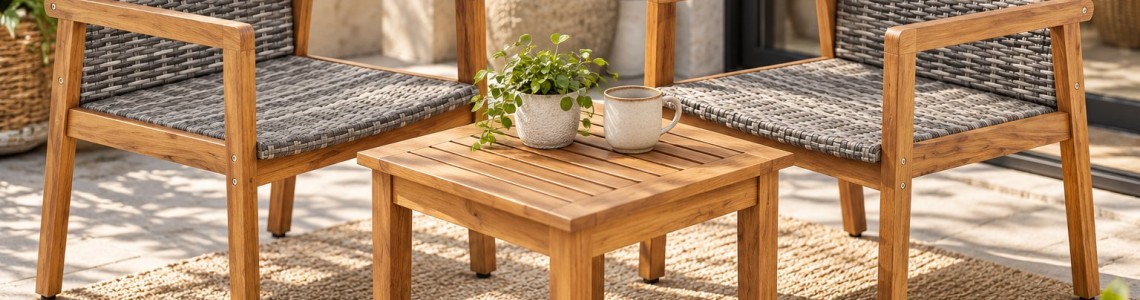
AI-generated styling illustration featuring a store product. Decorative props are not included. Refer to the product page for exact specifications.
Comments are reviewed before publication. Please keep your comment relevant and do not include advertising or private order information.
Leave a Comment