


Create weekday zones
Group breakfast, packed-lunch and quick-dinner ingredients together. A routine-based shelf makes it easier to see what needs replenishing and reduces searching during the busiest parts of the day.
Use depth carefully
Deep shelves hide duplicates. Place taller items behind shorter ones, use a shallow riser where appropriate and avoid storing unrelated products in multiple rows. Pull-out bins are useful only when they remain light enough to handle safely.
Put weight low
Store bulk goods, appliances and heavy containers on lower shelves. Frequently used lightweight items belong between waist and eye level, while occasional supplies can move higher.
Maintain a clear inventory view
Leave labels visible and use transparent containers only when they improve recognition. A simple written list for back-stock can be more effective than decanting every ingredient.
A practical checklist
- Group food by routine
- Keep heavy items low
- Avoid hidden duplicate rows
- Review dates during the regular grocery cycle
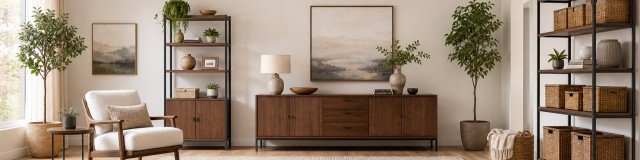
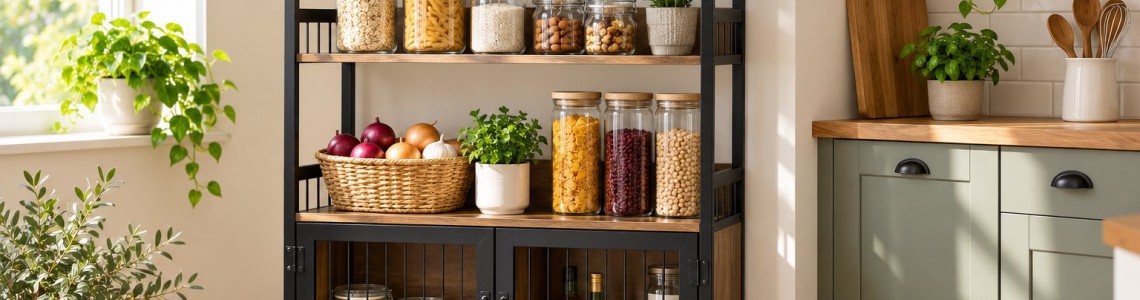
AI-generated styling illustration featuring a store product. Decorative props are not included. Refer to the product page for exact specifications.
Comments are reviewed before publication. Please keep your comment relevant and do not include advertising or private order information.
Leave a Comment