
Begin with movement
Mark the path from the door to the seating area before placing furniture. Keep that route open, then leave enough space around chairs for people to sit down without shifting the entire arrangement. In a small area, one clear path often makes the space feel more generous than adding another seat.
Build two useful zones
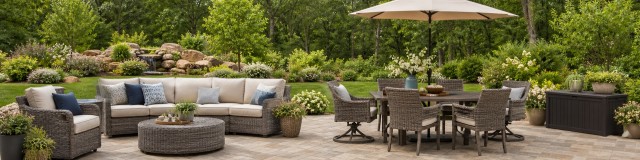
Use a table or compact dining set as the social centre and reserve a quieter edge for a lounge chair, bench or plant stand. The zones do not need walls or rugs; their purpose becomes clear through orientation. Turn dining chairs toward the table and angle a relaxing seat toward the garden or view.
Choose pieces that can move
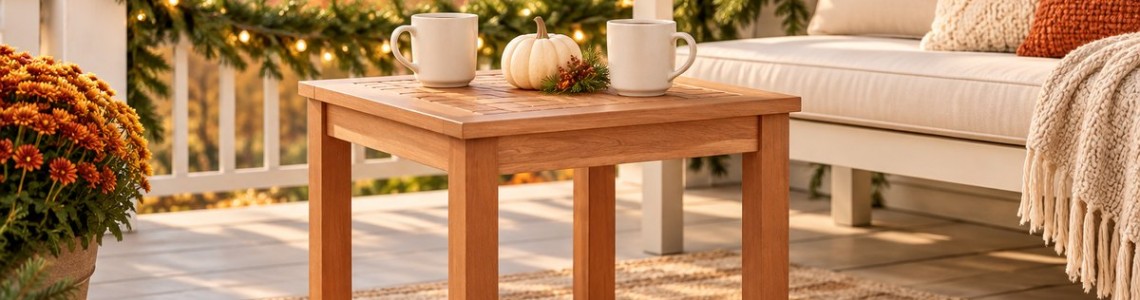
Folding chairs, nesting tables and lightweight side tables make it easier to reset the patio for a meal, a sunny afternoon or unexpected guests. Storeable cushions and a nearby outdoor box reduce the work required when weather changes.
Finish with seasonal comfort
Add shade where afternoon sun is strongest and use washable textiles rather than permanent decoration. A small lighting layer near the table and doorway extends the usefulness of the patio without making the space feel crowded.
A practical checklist
- Keep the main walkway clear
- Measure chair pull-out space
- Give frequently used items nearby storage
- Check sun and wind direction at different times of day
Comments are reviewed before publication. Please keep your comment relevant and do not include advertising or private order information.
Leave a Comment