
Size the table to the routine
Choose for the number of people who dine outside most often, not the largest group that might visit once a year. Extra folding chairs and a small extension surface can solve occasional demand without making every ordinary meal feel cramped.
Protect the serving route
Place the table near the kitchen door or outdoor cooking area while keeping heat and smoke away from seated guests. A cart or narrow side table can become a landing zone for drinks, plates and condiments, reducing repeated trips indoors.
Plan shade before decoration
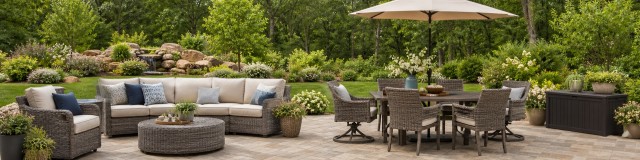
Observe the sun at the hour when meals usually happen. Position an umbrella, canopy or naturally shaded seating area so that shade reaches faces and food, while leaving enough clearance for people to stand and move chairs.
Make conversation comfortable
Round and square tables work well for smaller groups because everyone can see one another. Longer tables suit larger families but benefit from comfortable end seats and sufficient room on both long sides.
A practical checklist
- Allow a clear serving path
- Keep hot equipment away from seating
- Add a stable surface for drinks
- Use lighting that does not shine directly into diners' eyes
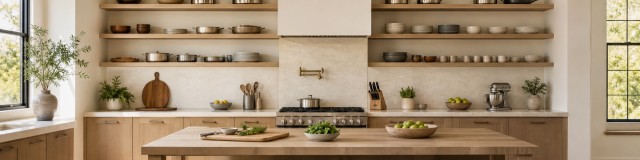
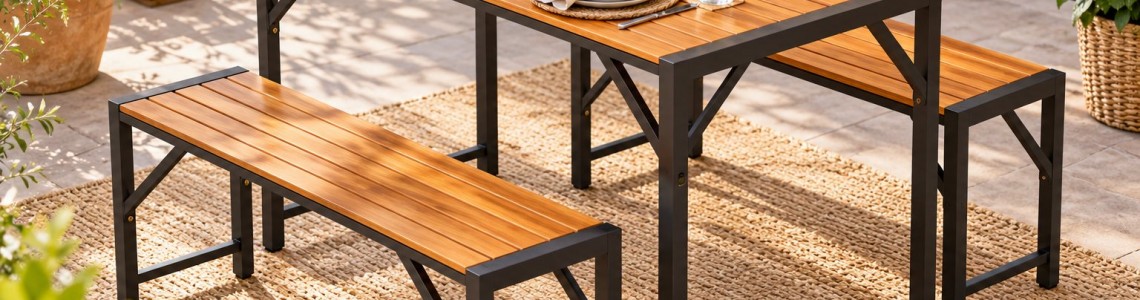
AI-generated styling illustration featuring a store product. Decorative props are not included. Refer to the product page for exact specifications.
Comments are reviewed before publication. Please keep your comment relevant and do not include advertising or private order information.
Leave a Comment