


Watch the routine
Notice where mail is opened, where bags are dropped and where devices are charged. Those repeated actions reveal where a tray, hook, drawer or narrow table will solve a real problem.
Store by frequency
Daily items belong within easy reach. Weekly items can sit slightly higher or deeper, while seasonal pieces can move to the least accessible areas. This hierarchy keeps prime storage from filling with things that rarely move.
Prefer simple containers
Open baskets work for objects used by several people, while drawers and closed cabinets calm visually busy rooms. Avoid adding small dividers before the category is stable; too many compartments can make the system fragile.
Plan a five-minute reset
Each active room should be able to return to order quickly. A clear surface, an easy drop zone and a nearby home for loose items make that reset realistic at the end of an ordinary day.
A practical checklist
- Place storage at the point of use
- Reserve easy access for daily items
- Use closed storage for visual clutter
- Keep the reset simple enough to repeat
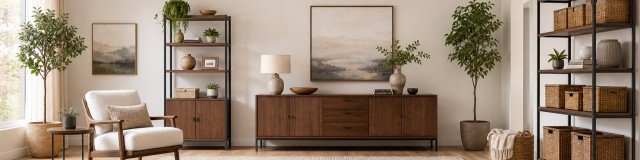
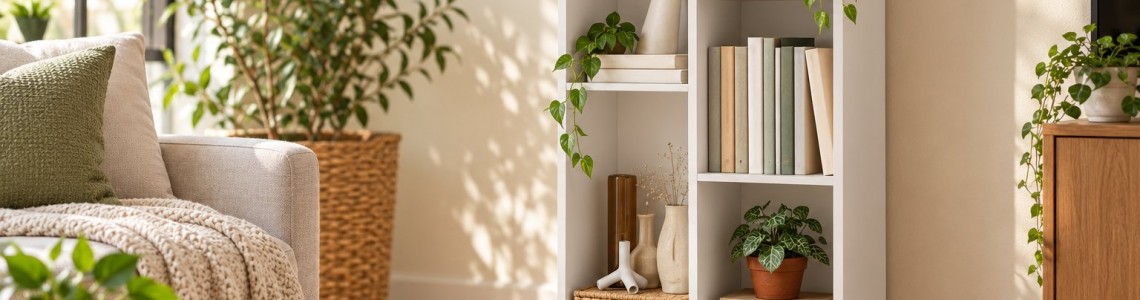
AI-generated styling illustration featuring a store product. Decorative props are not included. Refer to the product page for exact specifications.
Comments are reviewed before publication. Please keep your comment relevant and do not include advertising or private order information.
Leave a Comment