



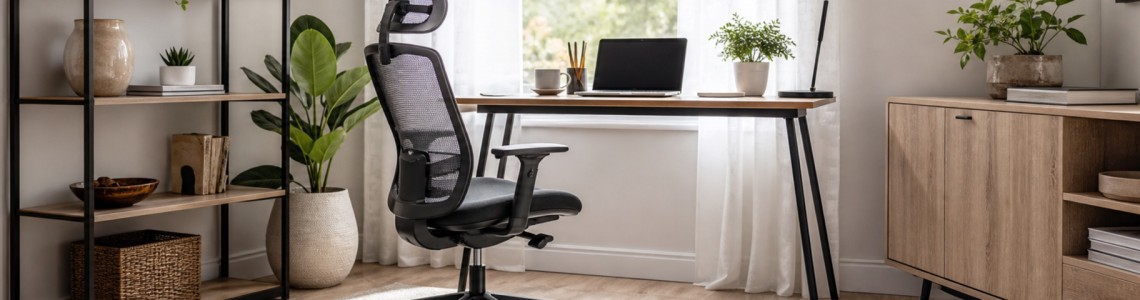
Protect the working position
Place the desk so the screen avoids strong glare and the chair can move freely. Keep frequently used documents and tools within reach without narrowing the knee space.
Use one storage hierarchy
Open shelves suit active references, drawers contain small supplies and closed cabinets reduce visual distraction. Assign one location to each category instead of spreading similar items across the room.
Keep circulation visible
Maintain a clear route from the door to the chair and any shared storage. Mark the chair's pulled-back position before adding a side table or cabinet.
Plan cables early
Locate outlets and charging needs before final furniture placement. Secure cables away from feet and moving chair wheels, and avoid overloading adapters.
A practical checklist
- Test screen glare at working hours
- Mark chair movement space
- Keep active files within reach
- Route cables away from traffic
Comments are reviewed before publication. Please keep your comment relevant and do not include advertising or private order information.
Leave a Comment