
Measure the active footprint
Mark the table top, then add the depth of occupied chairs on every used side. Test the remaining route instead of assuming a chair will always stay tucked under the table.
Protect the busiest path
Identify the route used for serving and cleanup. If one side is narrow, reduce seating there or use a bench that can tuck away rather than allowing the main path to become a bottleneck.
Check the table-to-chair relationship
Seat height, apron depth and arm height affect whether a chair fits comfortably. Compare the actual measurements of both products, especially when pieces come from different collections.
Plan lighting and storage together
Centre light over the usable table area and ensure nearby cabinet doors can open when diners are seated. A serving piece is helpful only when it does not take away the circulation it was meant to support.
A practical checklist
- Mark chairs in the occupied position
- Preserve the kitchen route
- Compare seat and apron heights
- Test nearby doors and drawers
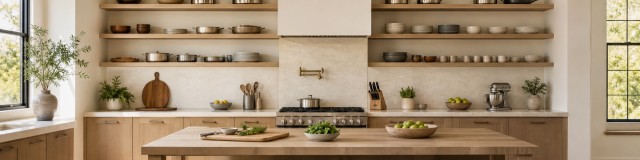
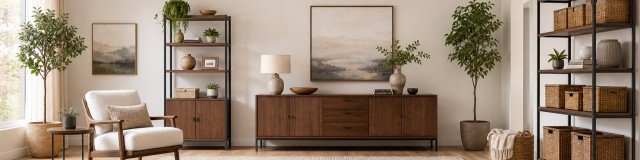
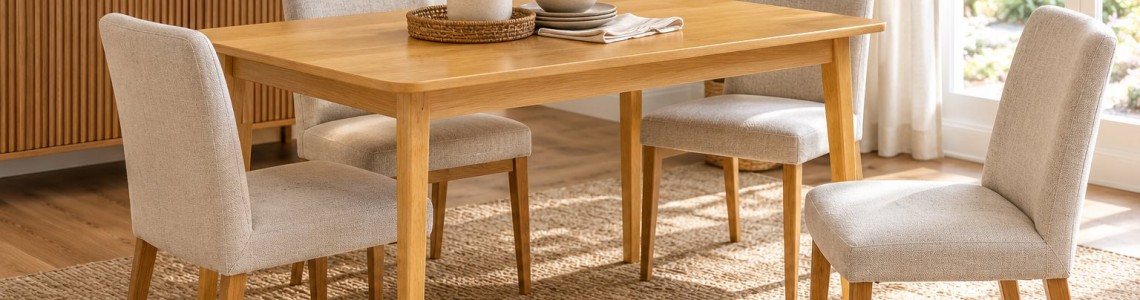
AI-generated styling illustration featuring a store product. Decorative props are not included. Refer to the product page for exact specifications.
Comments are reviewed before publication. Please keep your comment relevant and do not include advertising or private order information.
Leave a Comment